Art Deco jewelry: the style, its materials and how to recognise it
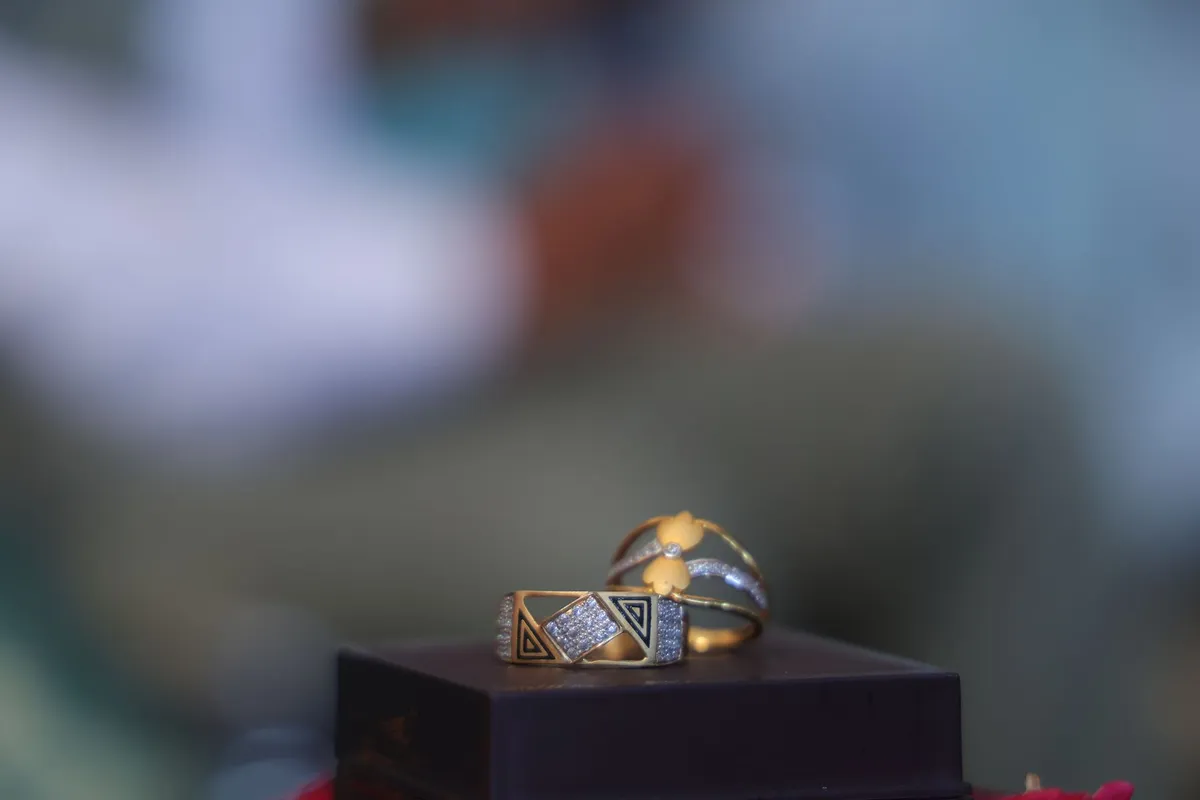
Few jewelry styles are as instantly recognisable as Art Deco: crisp geometry, bold contrasts of black and white, sparkling lines of small stones. A century after its heyday, it still inspires engagement rings, earrings and pendants. Here is what defines the style, the materials it favoured and how to tell an original from a modern interpretation.
Where Art Deco came from
Art Deco takes its name from the International Exhibition of Modern Decorative and Industrial Arts held in Paris in 1925, though the term itself became widespread only decades later. The style flourished roughly between the end of the First World War and the late 1930s, in architecture, furniture, fashion, graphic design and jewelry alike.
It was a reaction to the flowing, organic curves of Art Nouveau. Art Deco designers looked instead to the machine age, to speed, to modern cities and to a wide range of influences: ancient Egypt, especially after the discovery of Tutankhamun’s tomb in 1922, as well as Asian art and avant-garde painting.
The defining features
Geometry
Straight lines, circles, triangles, zigzags, stepped shapes and strong symmetry are at the heart of the style. Even floral or animal motifs were stylised into clean geometric forms.
Contrast
Art Deco loves contrast: white metal against black onyx or enamel, bright diamonds against deep green emerald or red coral. Colour, when used, was often bold and placed in clearly defined areas.
Lines of small stones
Jewellers used small stones cut precisely to fit together, including calibré-cut stones shaped to fill a pattern exactly, and elongated baguette cuts that emphasised straight lines.
Vertical, modern silhouettes
Fashion changed dramatically in the 1920s: shorter hair, lower waists, sleeveless dresses. Jewelry followed, with long pendant earrings, long necklaces and sautoirs, bracelets stacked on bare arms and cocktail rings.
The materials
| Material | Role in Art Deco jewelry |
|---|---|
| Platinum | the prestige white metal of the period, strong enough for fine, openwork settings |
| White gold | increasingly used as a more affordable white metal |
| Silver | common in more accessible pieces, often with marcasite |
| Diamonds | the star stone, frequently in old European and baguette cuts |
| Onyx and enamel | black accents creating contrast |
| Coral, jade, lapis lazuli | bold colour accents |
| Emeralds, rubies, sapphires | often in calibré cuts |
| Marcasite | sparkle at a lower price in silver jewelry |
| Early plastics | colourful, inexpensive costume pieces |
Silver and marcasite pieces made Art Deco accessible to a wide public. If you own one, our article on marcasite explains what the stones really are and how to care for them.
How to recognise an original
Telling a period piece from a later reproduction takes experience, but a few clues help:
- Hallmarks and stamps: metal marks, maker’s marks and import marks can help date a piece. For French jewelry, see our guide to French hallmarks.
- Stone cuts: period diamonds are often old European or single cuts, with a softer, more irregular sparkle than modern brilliant cuts.
- Workmanship: hand-pierced openwork, millegrain edges (tiny beaded borders) and fine hand finishing are typical.
- Construction: clasps, earring fittings and pin mechanisms evolved over time and can betray a later date.
- Wear: genuine age shows as soft, consistent wear on edges and high points.
None of these clues is definitive on its own. For a valuable piece, the opinion of a specialist in antique jewelry is essential.
Revival and inspired pieces
Art Deco has been revived many times, and modern jewellers continue to draw on it. Inspired pieces are not fakes as long as they are sold for what they are. They offer advantages: new settings, modern cuts and lower prices. Look for honest descriptions such as “Art Deco style” or “Art Deco inspired” rather than “period”.
Wearing Art Deco today
The style works well with modern wardrobes because its geometry is clean and graphic:
- a pair of geometric drop earrings lifts a simple black outfit;
- an Art Deco style ring with a central stone and stepped shoulders is a popular engagement choice; our guide to choosing an engagement ring covers shapes and metals;
- a long pendant necklace echoes the vertical lines of the 1920s;
- stacked thin bracelets recall the period without looking like a costume.
For more on combining pieces, read our article on matching jewelry with your outfits.
Caring for Art Deco pieces
Old pieces deserve gentle care: no ultrasonic cleaning for pieces with onyx, coral, enamel, marcasite or glued stones; a soft brush and mild soapy water for metal and diamonds; and a regular check of settings by a jeweller, as small stones can loosen over time.
In short
Art Deco jewelry is defined by geometry, contrast and precision, born in the 1920s and named after the 1925 Paris exhibition. Platinum, white gold, silver, diamonds, onyx and colourful accents are its signature materials. Whether original or inspired, it remains one of the most elegant and wearable styles in the history of jewelry.