Yellow, white and rose gold: how each colour is made and how it wears
Pure gold has one colour: a deep, warm yellow. Yet jewellers’ windows show pale white gold, pink rose gold and every shade of yellow in between. The difference comes from what the gold is mixed with. Understanding those alloys helps you choose a colour that suits your skin, your other jewelry and the way you live.
Why gold is alloyed at all
Pure gold, 24 carats, is very soft. A ring in pure gold would scratch, bend and lose its shape quickly. Jewelers therefore mix it with other metals to make it harder, and the choice of those metals also changes the colour.
The carat tells you the proportion of pure gold:
| Carat | Gold content | Parts per thousand |
|---|---|---|
| 24 ct | pure gold | 999 |
| 18 ct | 75 % | 750 |
| 14 ct | 58.5 % | 585 |
| 9 ct | 37.5 % | 375 |
The colour, on the other hand, depends on the remaining part. An 18-carat ring can be yellow, white or rose: it contains the same amount of gold in each case. Our guide to gold chain necklaces explains how carats affect price and durability.
Yellow gold
Yellow gold is gold alloyed mainly with silver and copper in balanced proportions, which preserves its natural warm tone. The higher the carat, the richer and deeper the yellow; 9-carat yellow gold is noticeably paler than 18-carat.
How it wears: yellow gold does not tarnish in normal wear and develops a soft patina over the years. Scratches can be polished away by a jeweller. It is the most traditional choice and the easiest to maintain.
Who it suits: it flatters warm skin tones particularly well, and it is the natural partner of vintage styles and yellow-gold heirlooms.
White gold
White gold is gold alloyed with white metals, usually palladium or nickel, sometimes with silver. These metals bleach the yellow of the gold, but rarely make it completely white: the raw alloy often has a slightly greyish or creamy tint.
That is why most white gold jewelry is finished with a thin layer of rhodium, a very white and hard metal of the platinum family, which gives the bright, mirror-like finish people associate with white gold. Our article on rhodium-plated silver explains how this plating works and why it wears.
How it wears: over months or years of daily wear, especially on rings, the rhodium layer thins and the warmer tone underneath shows through. A jeweller can re-plate the piece to restore its brightness.
A note on nickel: nickel can cause skin reactions in sensitive people. Alloys based on palladium avoid this issue but are generally more expensive. If you know you react to nickel, ask about the alloy before you buy.
Rose gold
Rose gold, also called pink or red gold depending on its intensity, is gold alloyed with a higher proportion of copper. The more copper, the redder the tone. At 18 carats the colour is a soft pink; lower carats can carry more copper and look deeper.
How it wears: rose gold does not need plating, so its colour does not wear off. It is fairly robust thanks to the copper, and its tone can deepen slightly over time.
Who it suits: it is often described as flattering to most skin tones and has become a popular choice for modern, romantic designs.
Comparing the three
| Yellow gold | White gold | Rose gold | |
|---|---|---|---|
| Main alloying metals | silver, copper | palladium or nickel, silver | copper |
| Plating | none | usually rhodium | none |
| Long-term upkeep | occasional polishing | periodic re-plating | occasional polishing |
| Pairs well with | warm tones, vintage pieces | diamonds, silver and platinum | pastel colours, mixed metals |
Mixing colours
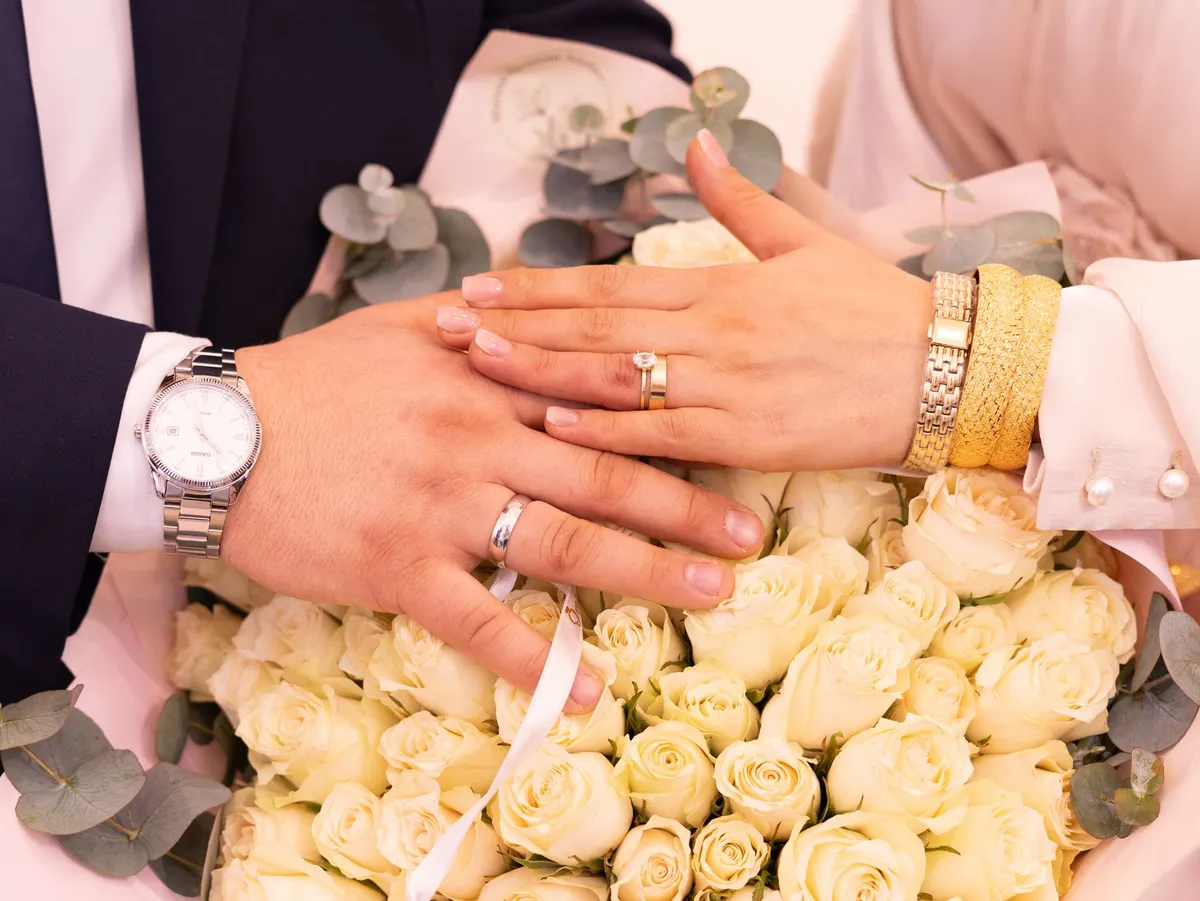
Not long ago, wearing two gold colours together was considered a mistake. Today, mixing yellow, white and rose gold on the same hand or neck is widely accepted, and some pieces deliberately combine them. A few tips:
- link the colours with a repeated element, such as a common texture or a piece that combines two tones;
- keep one colour dominant rather than splitting evenly;
- think about your watch, which often sets the tone.
For more ideas on putting pieces together, see our article on matching jewelry with your outfits.
Caring for coloured gold
All three colours share the same basic care: warm water with a little mild soap, a soft brush, careful drying and storage in separate compartments to avoid scratches. Avoid chlorine, which can damage gold alloys over time, and remove rings for heavy manual work. For white gold, avoid abrasive cleaners that would wear the rhodium faster.
In short
The carat tells you how much gold a piece contains; the colour tells you what it is mixed with. Yellow gold is the classic and easiest to maintain, white gold owes its brightness to rhodium plating that will need renewing, and rose gold gets its warmth from copper. The right choice is the one that suits your skin, your style and how much upkeep you are happy with.