A short history of silver jewelry, from antiquity to today
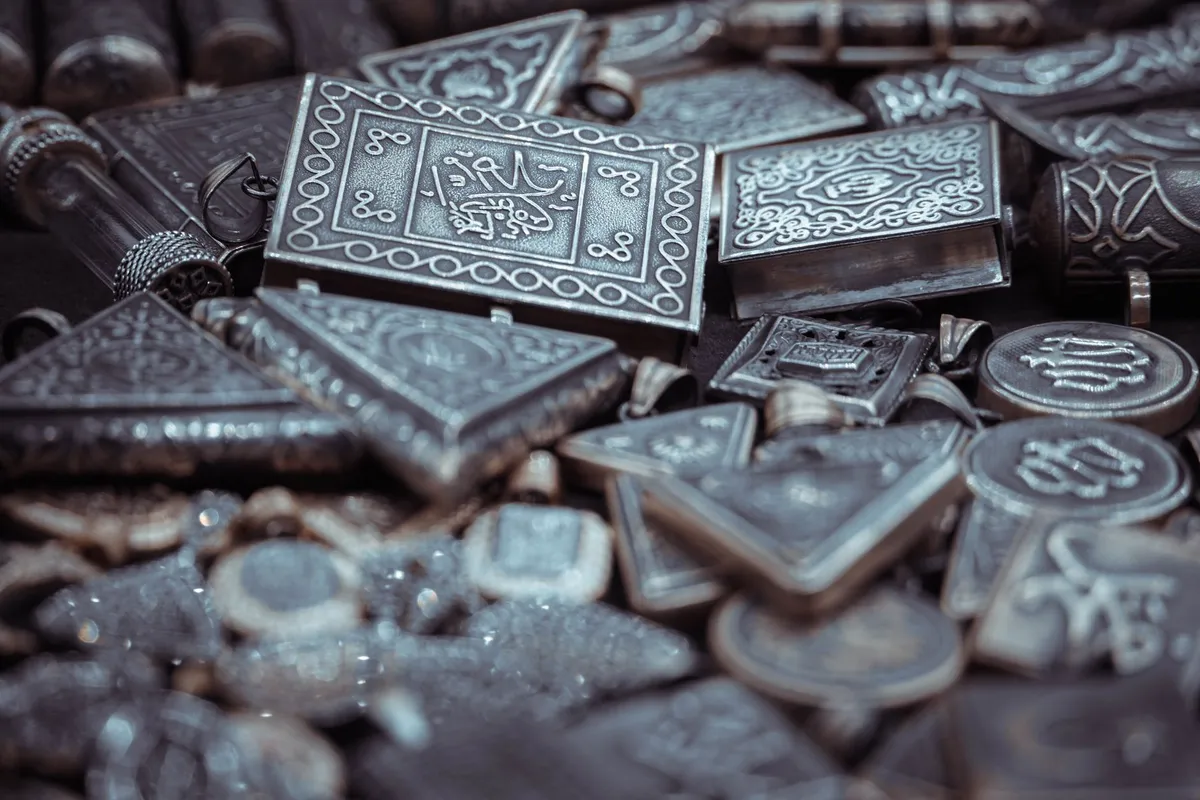
Gold has always been the metal of kings and treasuries. Silver has been something else: a precious metal close enough to everyday life to be worn, traded, inherited and remade by ordinary people for thousands of years. Its history is woven through mining, money, craftsmanship and fashion. Here is a brief tour.
Ancient beginnings
Silver rarely occurs in pure form in nature. Most of it is found combined with other minerals, especially lead ores, and has to be separated by smelting and refining. This is why silver objects appear later than gold ones in the archaeological record: people had to master metallurgy first.
Early silver working is associated with Anatolia and the Near East, where some of the oldest known techniques for extracting silver from lead ore were developed. From there, silver objects spread across Mesopotamia, Egypt and the Mediterranean. In ancient Egypt, silver was at times considered rarer than gold, because local sources were scarce.
In classical Greece, the mines of Laurion, near Athens, produced large quantities of silver that financed the city’s coinage and its fleet. Silver jewelry of the period included fibulae (decorative pins), earrings, bracelets and rings, often with fine repoussé and granulation work.
Rome and beyond
The Romans exploited silver mines across their empire, notably in the Iberian Peninsula. Silver became the metal of coins, tableware and personal ornament for a broad wealthy class. Rings, often engraved with seals or symbols, were among the most common pieces.
Across Europe, Asia and Africa, many cultures developed their own silver traditions, often linked to local beliefs: silver was widely associated with the moon, purity and protection.
The Middle Ages and the sterling standard
In medieval Europe, much silver went into coinage and religious objects. Jewelry was often reserved for the wealthy, but silver brooches, belt fittings and rings were worn more widely.
England played a decisive role in the history of silver standards. The sterling standard of 92.5 % silver was used for English coinage, and a statute of 1300, under Edward I, required silver objects to meet this standard and be assayed, laying the foundations of what became hallmarking. The word “sterling” has been associated with quality silver ever since. Our article on sterling silver 925 jewelry explains why this alloy remains the jewelry standard.
New World silver
The sixteenth century changed the scale of silver production entirely. After the Spanish conquest of the Americas, enormous deposits were exploited, above all at Potosí, in present-day Bolivia, discovered in the mid-sixteenth century, and in Mexico. Vast flows of silver crossed the Atlantic and the Pacific, transforming global trade. Silver became far more abundant in Europe and Asia, and therefore more accessible.
Silver traditions around the world
Silver jewelry has deep roots in many cultures:
| Region | Notable tradition |
|---|---|
| North Africa | Amazigh (Berber) silver jewelry: fibulae, heavy bracelets, enamel and coral |
| South and Central Asia | elaborate silver necklaces, anklets and filigree work |
| American Southwest | Navajo and Pueblo silversmithing, developed from the nineteenth century, often with turquoise |
| Mexico | the twentieth-century revival of silver craft in Taxco |
| Scandinavia | a strong tradition of modern silver design from the early twentieth century |
Each of these traditions has influenced contemporary designers, sometimes in ways that raise questions about cultural respect and fair credit to the original craftspeople.
The nineteenth and twentieth centuries
The industrial age brought mechanised production, making silver jewelry affordable to the growing middle classes. Silver lockets, chains, brooches and bracelets became popular gifts.
Two artistic movements left a lasting mark:
- Arts and Crafts, in the late nineteenth century, valued handmade silver, simple forms and semi-precious stones in reaction to mass production;
- Art Nouveau, around 1900, used silver for flowing natural forms: flowers, insects, female profiles.
Between the wars, Art Deco favoured geometric designs, often combining white metals with onyx, enamel and marcasite. Our dedicated article on Art Deco jewelry explores this style, and our piece on marcasite explains what that material really is.
Silver today
Today, sterling silver is the most widely worn precious metal in jewelry. It is used for everything from minimalist everyday pieces to bold statement jewelry, often combined with gold plating, rhodium or oxidised finishes. Its relative affordability makes it the natural material for experimenting with styles, building a collection or offering a first piece of real precious metal.
Silver also has a growing second life: recycled silver is increasingly used by jewellers, and old pieces can be melted and remade, as they have been for centuries.
In short
Silver jewelry has followed the history of mining, money and taste: rare and prized in antiquity, standardised by the sterling rule, made abundant by New World mines, reinvented by artistic movements and now the everyday precious metal of millions. Every silver ring carries a little of that long story.